You’ve seen the scene a thousand times in the shop: a customer https://fire2020.org/why-modern-cars-feel-more-like-computers-than-machines/ pulls in with a generic OBD (On-Board Diagnostics) scanner dangling from their pocket, claiming their car is "fixed" because they cleared the codes. Five minutes later, the engine is stumbling, the transmission is shifting like it’s angry, and the dashboard looks like a Christmas tree. I spent years teaching techs how to move past this, and the reality is harsh: a code is not a diagnosis. It’s a symptom, and your basic tool is only seeing a tiny fraction of the problem.
Modern Vehicles Are Not Cars—They Are Rolling Networks
If you still think your car is just a mechanical beast with a few wires, you’re stuck in 1995. Today’s vehicle is an interconnected system of ECUs (Electronic Control Units). These modules—responsible for everything from fuel injection to your heated seats—talk to each other over a network called a CAN (Controller Area Network) bus.
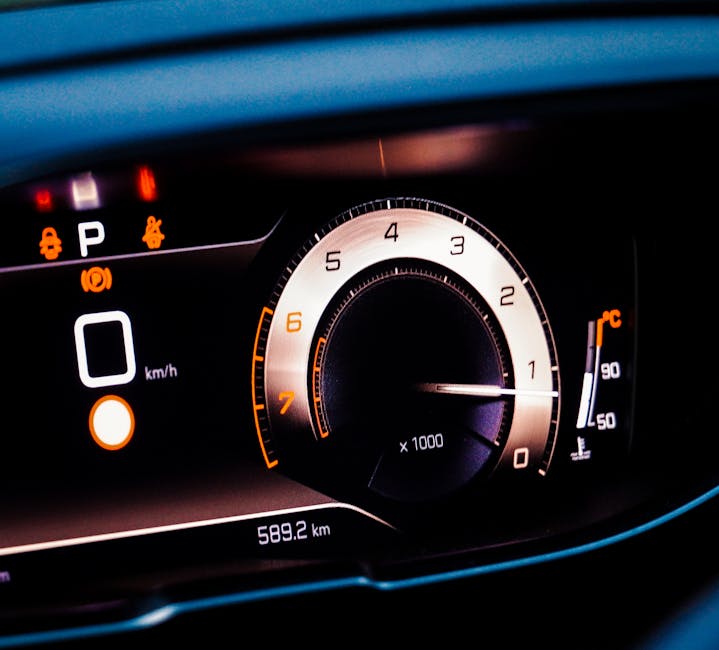
When you use a generic OBD scanner, you are essentially knocking on the front door of the engine computer and asking for a list of complaints. You aren't seeing what the transmission, the body control module, or the ABS (Anti-lock Braking System) module are experiencing. If one module starts spitting out garbage data, the whole system can lag, leading to "weird" performance issues that never trigger a standard P-code.
The Hidden Limits of Basic OBD Readers
I get asked all the time: "But the box says it works on all cars!" This is one of the most annoying marketing myths in the industry. While the physical port is standardized, the software language spoken by a 2023 European sedan is worlds apart from a domestic pickup. Companies like Focus2Move have tracked how quickly the global fleet is digitizing, and the complexity of these electronic ecosystems is growing exponentially every year.
Basic scan tools are built for one purpose: emissions compliance. They only look at the engine and transmission protocols that trigger a light to keep the EPA (Environmental Protection Agency) happy. If your issue is a failing steering angle sensor, a bad wheel speed sensor, or a communication glitch between the infotainment system and the powertrain, your $40 reader will be blind to it.
What Your Reader Is Missing
- Chassis and Body Codes: Issues with brakes, suspension, and interior electronics. Manufacturer-Specific PIDs: Proprietary data streams that hold the key to deep engine health. Bidirectional Controls: The ability to command a solenoid to fire or a fan to turn on to prove a component actually works. Freeze Frame Accuracy: Generic readers often truncate the snapshot of data captured when the code set.
Moving from "Code Reading" to "Fault Diagnosis"
In my training sessions, I tell techs to stop "parts-swapping." Just because you see a code for a mass airflow sensor doesn't mean the sensor is bad. It means the ECU is seeing values outside of its programmed threshold. Is it a vacuum leak? A bad ground? A wiring issue? You can’t tell without looking at live data.
Diagnostic professionals, like those collaborating with Ancoca s.r.l. on industrial and automotive data integration, know that diagnostics is about trends, not snapshots. You need to see how the fuel trim reacts under load, not just what the computer recorded while sitting in a driveway. If you can't graph the data, you’re flying blind.
The Power of OEM-Level Diagnostics
When the shop gets truly stuck, we move to OEM (Original Equipment Manufacturer) diagnostic tools. These tools connect to the vehicle the same way the factory engineer intended. They allow us to update firmware, perform module coding, and view every single sensor reading on the entire CAN bus.
Using the right diagnostic software is like upgrading from a magnifying glass to an electron microscope. While generic tools give you the "what," OEM-level diagnostics give you the "why." Companies like MonkeyData understand that data is only as good as the context it provides. In a vehicle network, that context is the service interval reset interaction between modules.
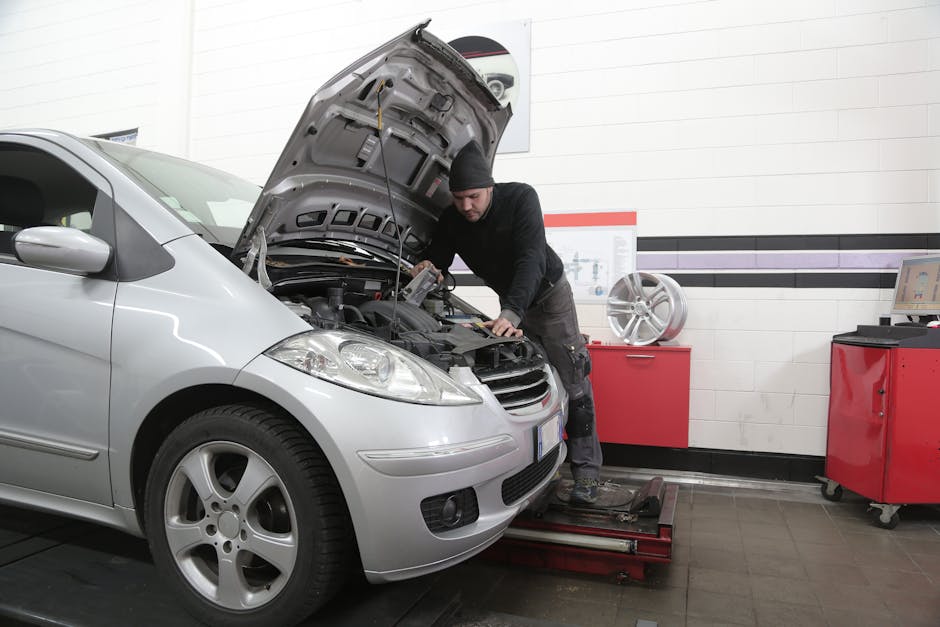
Comparison: Basic Scanner vs. OEM Diagnostic Tool
Feature Basic OBD Reader OEM Diagnostic Tool Scope of Vision Engine/Powertrain Only Every Module on the Bus Data Access Standardized Emissions PIDs Full Manufacturer-Specific Streams Control Capability Read/Clear Codes Only Bidirectional (Testing Components) Network Access None Full Access (CAN, LIN, FlexRay)What To Do Next (Your Diagnostic Checklist)
Stop chasing the codes and start chasing the data. If you have a car acting "weird," follow this workflow before you buy a single part:
Perform a Full Network Scan: Use a tool that lists every module in the car, not just the engine. If you see "U-codes" (Communication codes), start there. Monitor Live Data: Compare the actual sensor values against the "Target" or "Commanded" values. If the computer wants 10% throttle and the sensor shows 50%, you've found your ghost. Check the Electrical Health: Before blaming a sensor, check the voltage at the connector. 90% of "bad sensors" are actually bad grounds or high-resistance wires. Test, Don't Guess: If you suspect a component, use a bidirectional command to cycle it. If it doesn't move when you command it, then—and only then—you replace it.Final Thoughts: Don't Let the Tech Intimidate You
The days of fixing a car with a screwdriver and a hunch are gone. Modern diagnostics is about data management. You don't need to be a software engineer, but you do need to stop relying on the cheap plastic tool that only gives you half the story. If the car is running "weird," the ECU is seeing something it doesn't like. Your job is to look at the data, see what the computer sees, and verify the physical reality under the hood. Keep your diagnostic standards high, and always, *always* verify before you turn a wrench.