If you’re planning to tackle some of Australia’s most punishing outback routes in a Toyota LandCruiser 70 Series, understanding the practicalities behind your setup budget is crucial. After spending over a decade interviewing station owners, tour operators, and remote-area locals, one thing is clear: simplicity, reliability, and repairability beat flash every time.
Whether you’re browsing the Australian Explorer RSS feed for recent gear reviews or sharing your journey highlights on Facebook, this guide will ground your expectations on what modifications truly matter — helping you avoid common pitfalls and overspending on unnecessary accessories.
A Brief History of the 70 Series and Why It Matters
The Toyota LandCruiser 70 Series has earned legendary status in the Australian outback for one simple reason: it has barely changed since its introduction in 1984. While other vehicles have grown more complicated, heavier, and filled with electronics, the 70 Series has remained a steadfast workhorse. Its enduring design prioritises:
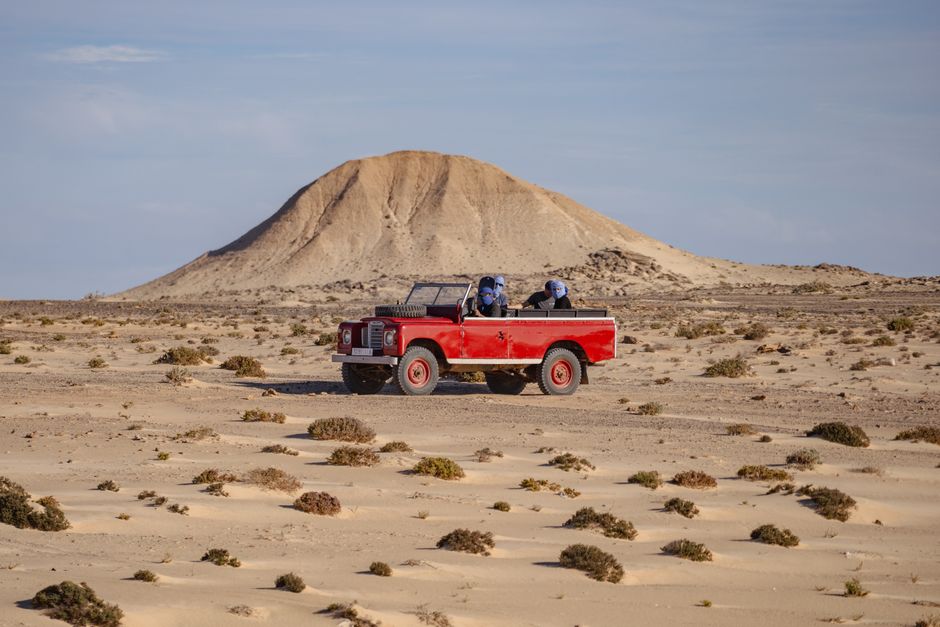
- Simplicity in mechanical systems Ease of repairs in remote locations Unmatched durability on Australia’s harshest tracks
From the Simpson Desert to the Gunbarrel Highway, this solid construction means that your biggest risks on the trail are usually driver error or insufficient preparation — not vehicle failure. As Australian Explorer often highlights, the 70 Series is not about cosmetic upgrades; it’s about gear choices that complement its rugged core.

Why Simple Design Matters in Remote Australia
Remote Australia’s corrugated roads, deep river crossings, and long fuel gaps punish vehicles. Touring mods cost can quickly balloon if you chase every shiny gadget. Instead, consider why the 70 Series’ straightforward design excels out here:
Ease of Repairs: If a part breaks 500km from the nearest workshop, you want systems you can fix with basic tools and spare parts. Less Electronics: Complex wiring harnesses and electronics are notorious for failing on long corrugations; the 70’s simple wiring reduces points of failure. Weight and Balance: Adding unnecessary accessories can overload suspension and increase fuel consumption, making long-distance touring tougher.When building your setup, always sanity-check distances and fuel gaps against your fuel capacity and reliability of your upgrades. Reliable gear is not necessarily the most expensive but what you trust to work when stakes are high.
Essential Upgrades List for the 70 Series
Based on extensive interviews and firsthand experience, here’s a realistic list of upgrades that actually matter — and a rough estimate of the associated costs, to help plan your outback touring setup budget.
Upgrade Why It Matters Estimated Cost (AUD) Notes Dual Battery System Reliable power for fridges, comms, and recovery gear $800 – $1,200 Choose installation by a specialist for wiring safety All-Terrain Tyres (Set of 5) Durability on corrugations and rocky tracks $1,200 – $2,500 Sanity-check tyre lifespan and run-flat options Heavy-Duty Suspension Handles extra load without premature wear $2,000 – $3,500 Match suspension to actual weight (gear plus passengers) Recovery Points (Front & Rear) Essential for vehicle extraction — don’t skip this! $300 – $700 Must be rated and professionally installed Snorkel Critical for deep water crossings — a must on certain tracks $600 – $1,000 Proper installation prevents engine hydrolock Basic Recovery Gear (Snatch Strap, Shackles, Hi-Lift Jack) Vital to self-rescue and assist others $400 – $700 Quality gear pays off; cheap straps can snap dangerously Long-Range Fuel Tank / Jerry Cans Ensure safety margins on routes with scarce fuel stops $1,000 – $2,000 Be mindful of placement to keep vehicle balanced Additional Lighting Useful for night driving and camp setup $300 – $800 Stick to proven LED bars, avoid excessive electrical draw Basic Tool Kit & Spare Parts Simple fixes keep you moving $300 – $600 Stock essential parts: fan belts, fuses, spark plugsTotal realistic budget range: $7,000 – $12,000
This does not include the basic maintenance or stock vehicle cost but reflects the practical essentials for a high-survivability touring rig. For reference, the Australian Explorer community often debates the exact value of accessories, and this list consistently matches what remote locals recommend.
Avoid Unnecessary Accessories That Waste Budget and Weight
One of the most common mistakes I’ve encountered is buying “nice to haves” that add weight, introduce failure points, or offer little real utility on outback tracks. Some examples to reconsider before blog.australianexplorer.com purchase:
- Complex Electric Winches: Unless you have multiple recovery partners and practice, a winch is heavy and can fail without proper maintenance. Overcomplicated Dual Cab Fridges: A simple compressor fridge or even a decent icebox may suffice depending on trip length. Multiple In-Cabin Electronics: GPS units, satellite phones, and CB radios are valuable, but each electrical device increases wiring complexity and potential failure points. Lavish Interior Upgrades: Seat covers, carpet modifications, and luxury entertainment systems add weight and reduce ease of cleaning post-trip. Overbuilding Racks and Drawers: Lightweight aluminium and modular systems are great, but avoid heavy steel racks that lower fuel economy.
Outback Routes That Punish Your Vehicle Setup
Choosing your routes wisely can impact what setup you need. Some tracks are famed for their severity and the specific challenges they pose to the LandCruiser 70 Series:
- Gunbarrel Highway: Long sustained corrugations and sandy sections demand reliable suspension and robust tyres. Simpson Desert Crossing: Deep sand and heat require careful tyre selection and a sturdy snorkel for occasional water crossings. Canning Stock Route: Remote stretches with scarce fuel and water mean long range tanks and dependable recovery gear are essential. Gibson Desert Track: Rocky terrain requires shock absorbers that can handle repeated impact and recovery points for extraction.
Knowing the terrain upfront means your setup budget targets real needs, not hypothetical emergencies.
Final Thoughts: Balance Budget With Practicality
The Toyota LandCruiser 70 Series is a remarkable base vehicle for outback touring precisely because of its simple yet robust design. Spending $7,000 to $12,000 on high-quality essential upgrades is a realistic target that ensures you’re prepared without being burdened by unnecessary weight or complexity.
Keep following communities like Australian Explorer, and subscribe to trusted RSS feeds for regular, grounded advice. When you share your setup and tips on Facebook, you’ll find a like-minded network ready to help with troubleshooting the small things that stop big trips.
Remember: no setup is perfect, but focusing on reliability, repairability, and practicality will get you further — and make the journey more enjoyable.